
Uncovered Secrets of Tamsui: Epic Sea Trade Tour
Tamsui Tales: A Journey Through Time and Tides
Situated at the Tamsui River's mouth, Tamsui's narrative reflects Taiwan's rich history. Before the 1600s, it served as a trading hub for native communities and overseas merchants.
This region experienced Spanish and Dutch rule before Qing China's takeover in 1683. After the Second Opium War defeat in 1858, Tamsui had to welcome foreign trade due to treaty obligations.
This shift transformed its landscape, positioning Tamsui as a pivotal port amidst global colonial powers like Britain, France, and eventually Japan. Now, Tamsui stands as a top attraction in Taipei, boasting picturesque coastlines and historical landmarks.
Embark on the Tamsui Sea Trade Tour to traverse time, visiting iconic places like Fort San Domingo, residences of British and Japanese officials, colonial edifices, and the renowned Tamsui Wharf, celebrated for its mesmerizing sunset vistas.
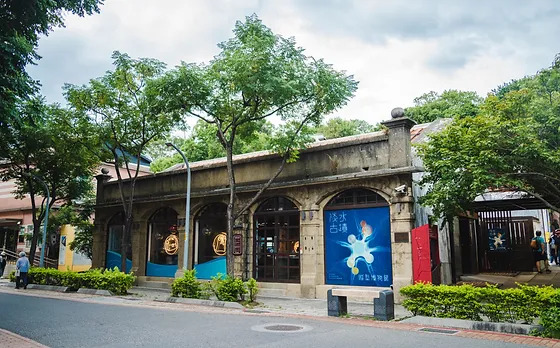
Douglas Lapraik & Co.
Douglas Lapraik & Co. stood as a symbol for the numerous foreign enterprises that set up in Tamsui. Following the Second Opium War's conclusion in 1858, Taiwan opened its doors to foreign businesses due to an international agreement.
The English entrepreneur, Douglas Lapraik, initiated his commercial dynasty once Hong Kong became a British territory and established maritime routes. Upon Douglas's retirement, his legacy was passed on to his nephew, John Steward Lapraik, who further extended the shipping lanes to Taiwan.
Established in the 1870s in Tamsui, Douglas Lapraik & Co. reigned supreme in the Taiwanese shipping sector for about three decades. Notably, renowned figures like the esteemed Canadian missionary George Leslie Mackay traveled to Tamsui aboard ships from Douglas Lapraik & Co.
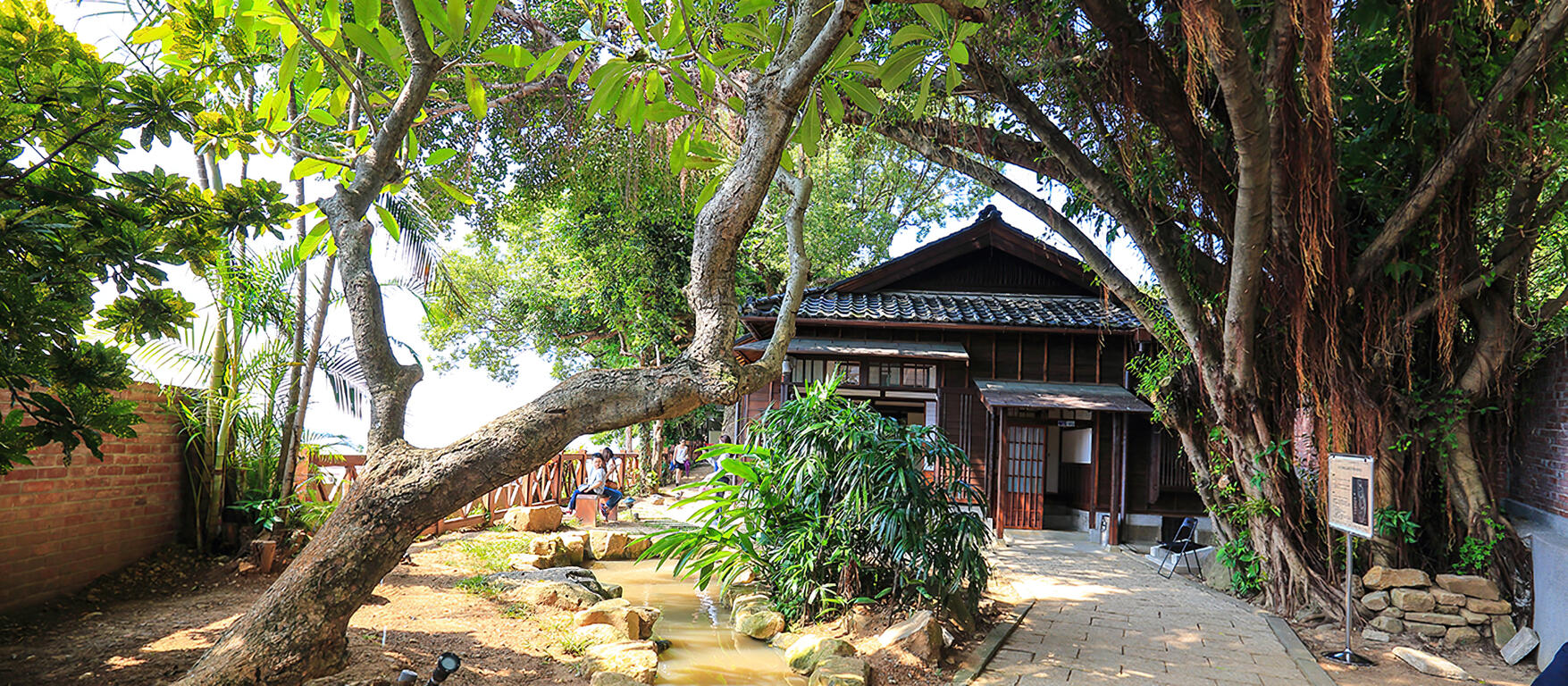
Tada Eikichi's Historic Home
In the heart of Tamsui lies a remarkable structure that dates back to 1934—the historic home of Tada Eikichi. As a testament to his stature, Tada Eikichi wasn't just any resident of the town; he was a distinguished businessman and the head of the Tamsui township. His influence and affluence are evident in the design and features of his residence.
Designed with the Japanese elite in mind, this residence wasn't just a home; it was a symbol of luxury and the advanced living standards of its time. Among its many pioneering features, the house was one of the first private residences in Tamsui to be equipped with running tap water, a luxury many then could only dream of. But the opulence didn't stop there. The house was strategically positioned to offer its inhabitants breathtaking views of the surrounding mountains and the serene river, making it a perfect blend of architectural brilliance and natural beauty.
Fast forward to today, and the passage of time has done little to diminish its grandeur. While Tamsui has seen many changes and developments over the years, Tada Eikichi's residence remains a beacon of the town's rich history and Japanese architectural influence. It stands proudly as Tamsui's most impeccably preserved Japanese building, drawing both locals and tourists alike, eager to catch a glimpse of the past.
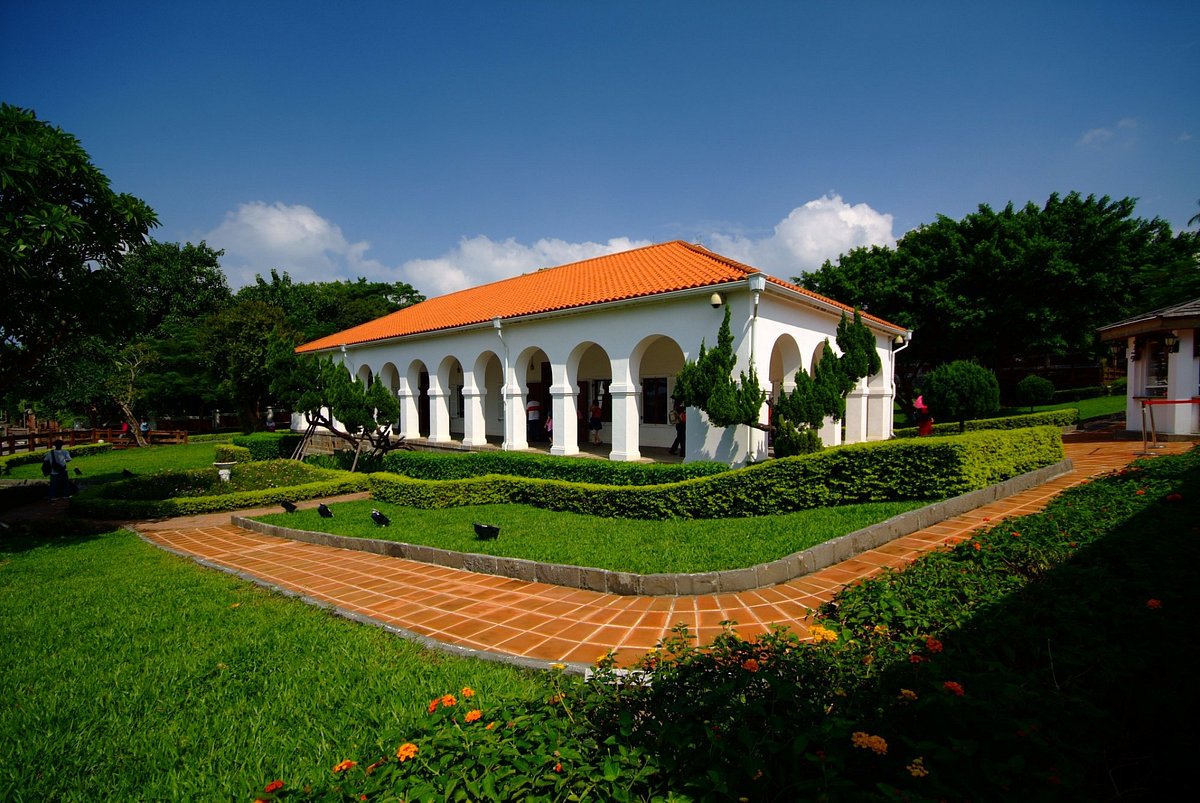
Tamsui's Iconic "Little White House" (Customs Officer’s Residence)
In the heart of Tamsui lies a structure affectionately termed the "Little White House" by the locals, owing to its unmistakable and pristine white facade. Constructed in the year 1866, this architectural marvel was initially intended to be a haven for the surging population of foreign officers who called Tamsui their temporary home.
As the winds of change blew and the Japanese colonial era dawned upon Taiwan, the building transitioned into a vibrant hub, serving as a communal space for both serving and retired customs officers. This place wasn't just about official duties; it echoed with laughter, stories, and memories of those who walked its corridors.
Fast forward to today, and the "Little White House" has transformed yet again. While it still stands as a testament to Tamsui's rich history, it has also become a sought-after backdrop for couples starting their marital journey.
The blend of historical significance and aesthetic charm makes it a hotspot for newlyweds seeking the perfect photo to mark the beginning of their shared life.
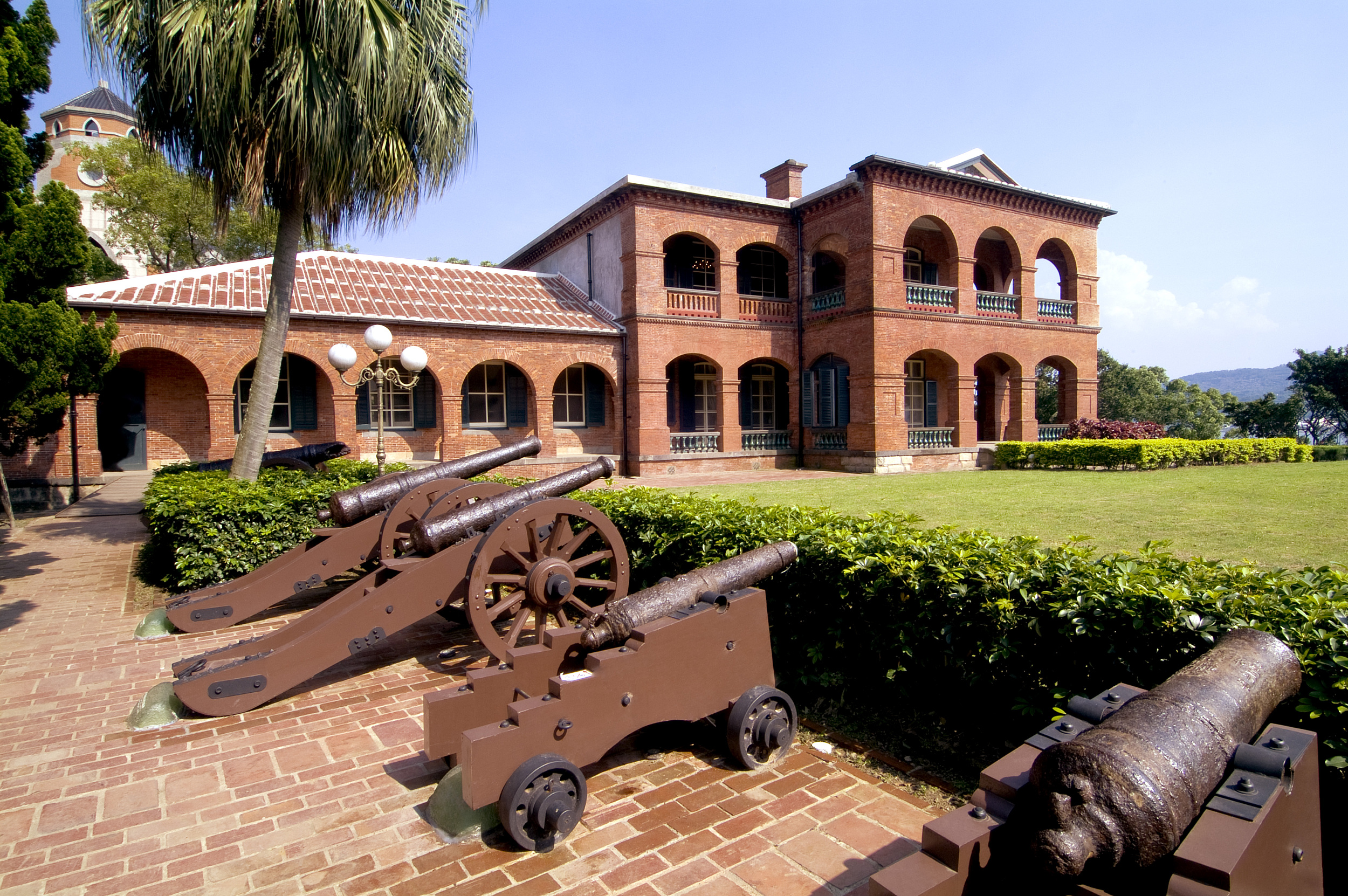
The Historic Fort San Domingo
Fort San Domingo, prominently situated in the heart of Taiwan, is more than just a historical structure; it's a testament to the island's rich and diverse past. As the most ancient landmark we explore on our journey, it also holds the distinction of being among Taiwan's longest-standing buildings.
Constructed nearly 400 years ago, this fort bears the architectural brilliance and strategic design of its Spanish creators. However, its walls have witnessed more than just the Spanish era. Over the centuries, the fortress has seen the rise and fall of nine distinct powers, each leaving its mark and contributing to the tapestry of its history.
The year 1862 marked a significant turning point for the fortress. With the inauguration of treaty ports, the British saw an opportunity and took the fortress on lease. They recognized its strategic importance and transformed it into a consulate. For nearly a century, it played a pivotal role in the diplomatic engagements between Britain and Taiwan.
However, as with all great historical tales, change was inevitable. By 1972, the winds of diplomacy had shifted, leading the United Kingdom to sever its ties with the Taiwanese government. The fortress, which once buzzed with diplomatic activity, saw a decline in its prominence.
Yet, the story doesn't end there. Right next to the fortress stands another significant structure: the former residence of the British consul. This building, with its own set of stories and historical significance, has been meticulously preserved and transformed into a museum. Today, visitors can explore both the fortress and the residence, delving deep into the annals of Taiwan's history, its international relations, and the myriad cultures that intertwined on this island nation.
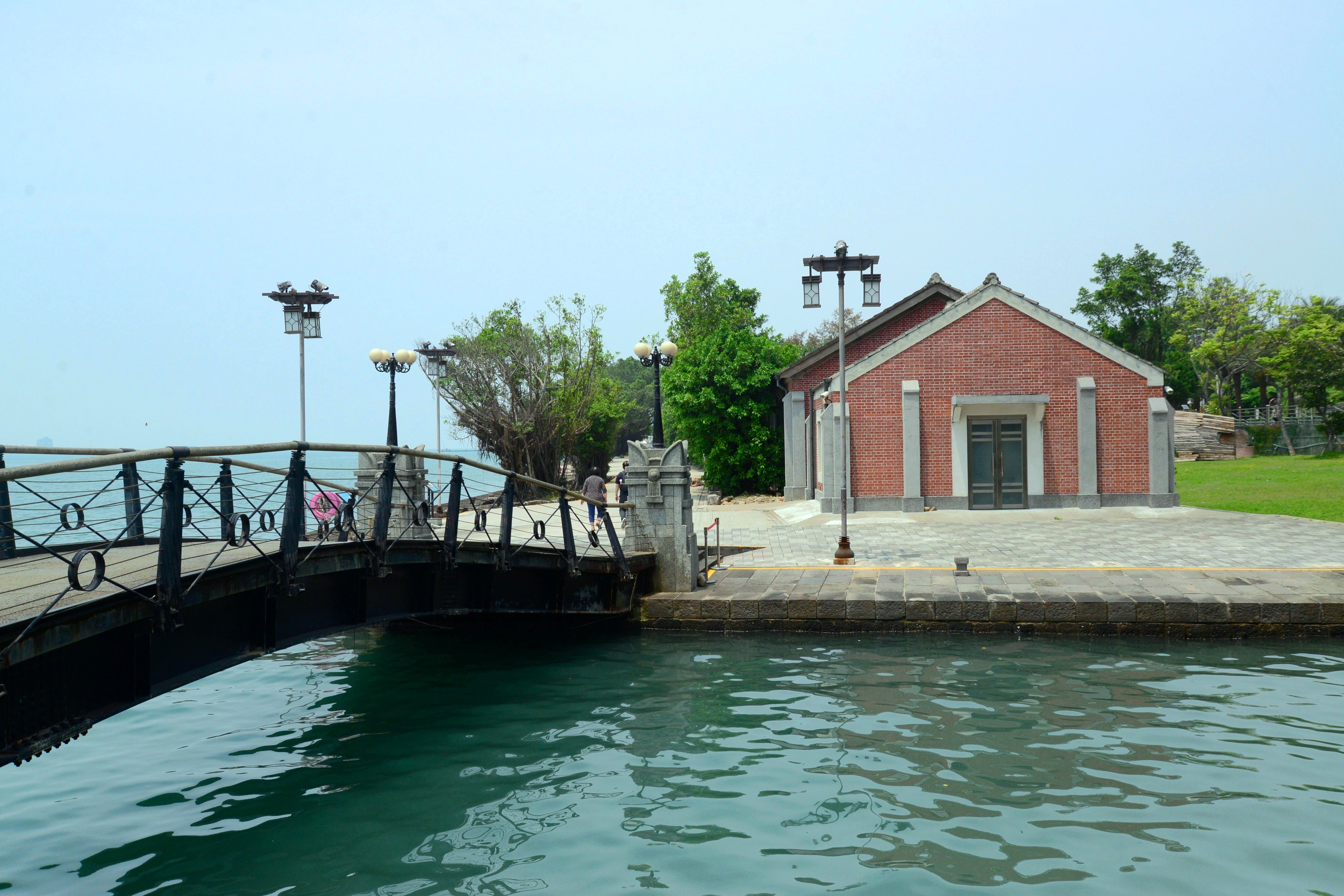
Tamsui Customs Wharf: A Historical Gem
In the heart of Tamsui lies a significant landmark: the Tamsui Customs Wharf. Its origins trace back to the Qing Dynasty era, when it was not a bustling port but a strategic military stronghold. This fortification played a crucial role in safeguarding the region from potential threats.
However, as the winds of change blew across Taiwan, the purpose of the wharf evolved. With the inauguration of treaty ports, Tamsui witnessed a transformation, emerging as the most prominent international harbor in the country. The Tamsui Customs Wharf then became pivotal in overseeing customs tariffs, ensuring that merchandise crossing the border was appropriately taxed and regulated. This shift marked Tamsui's growing importance in international trade and commerce.
The aftermath of World War II brought another change. The military, recognizing the strategic importance of the wharf, assumed control. But as time passed and geopolitical scenarios evolved, they decided to relocate their primary base to Kaohsiung, a city further south.
Today, the Tamsui Customs Wharf stands not just as a testament to its rich past but as a beacon of culture and heritage. It has been repurposed into a cultural attraction, drawing both locals and tourists alike. The wharf offers a blend of historical insights and serene views, making it a must-visit. As visitors embark on a journey through Tamsui, the Customs Wharf proudly marks the grand finale, leaving them with memories of a place where history meets the present.
In Conclusion
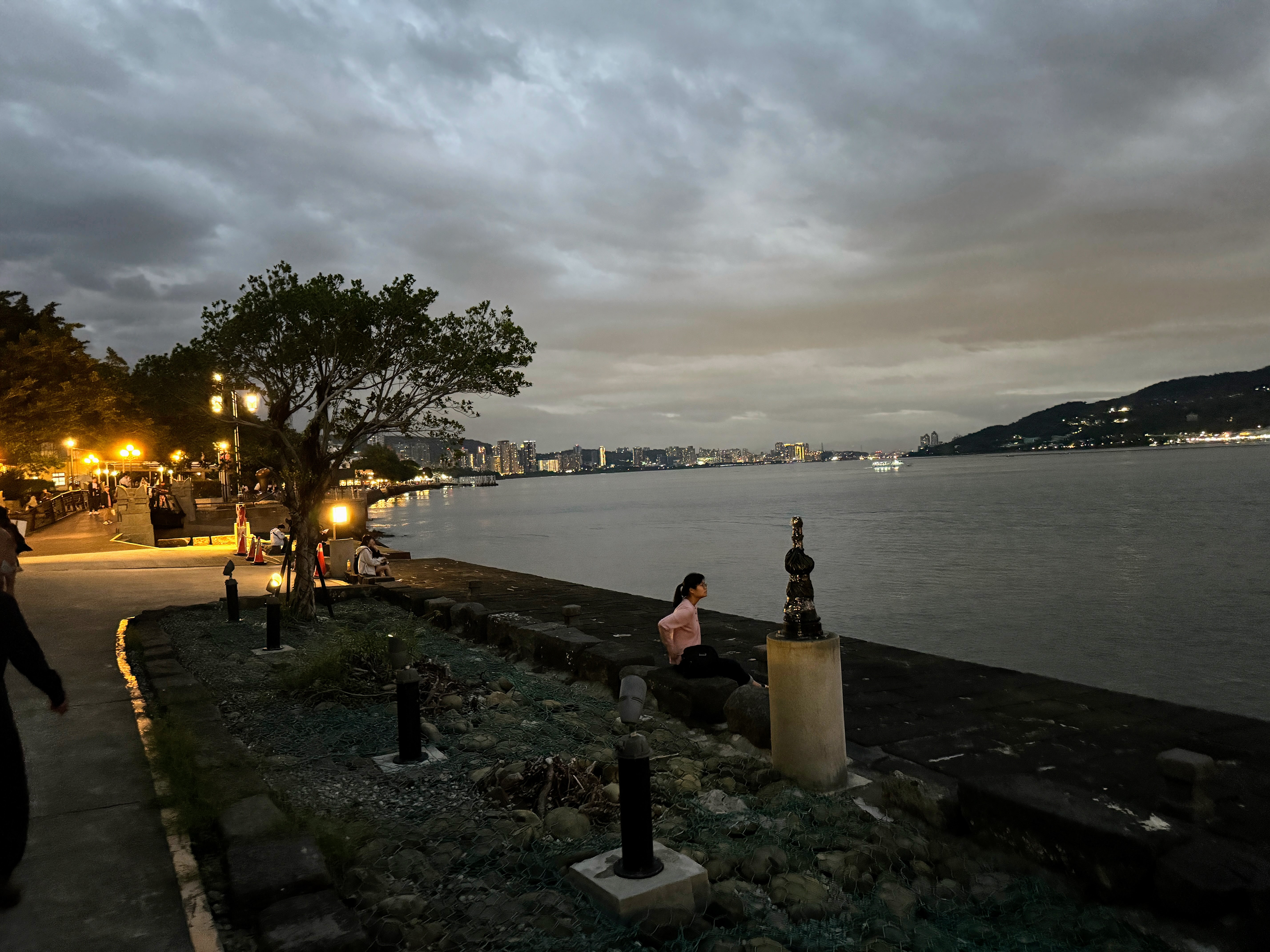
Experience Tamsui's vibrant history, a testament to its people's resilience and adaptability. As time has evolved, so has Tamsui, merging its storied past with the present.
For an in-depth exploration, join 'Like It Formosa'—a donation-based Taipei Free Walking Tour in Tamsui. In addition to providing you with a general overview of the city, our passionate local experts also lead themed tours that offer distinctive perspectives.
When wanderlust strikes, let Tamsui's maritime tales guide you. For further insights or travel queries, reach out to Amaiwan Traveler. We're committed to making your adventure memorable!

HEY, I’M AUTHOR…
... Amaiwan Traveler is your no-BS expat guide to where America meets Taiwan. Through my blog and YouTube channel, I dish out raw street eats, epic views, and all the cultural mix-ups that make travel real. Come along for the ride and taste the world the way locals live it.


GET THE INSIDE SCOOP!

Welcome to Amaiwan Traveler, your bridge between America and Taiwan. Here, raw travel stories, local eats, and cultural secrets come together. Stay curious, stay hungry, and join the journey.
Join the Insider List
Subscribe for fresh travel tales, local secrets, and tasty tips straight to your inbox. No spam, just the real stuff. Click Join Now and come along for the ride!
Created with © systeme.io