Research-based story · Event information checked October 2, 2026.
Tea is easy to encounter in Taiwan and easy to stop thinking about once it reaches the cup. You order, sip, decide whether you like it, and move on. The drink has arrived. Most of its story has not.
Nantou offers a reason to follow that story backward: from the finished tea to the leaf, the work, and the place that shaped it. The Global Tea Expo is a convenient doorway. What matters is what you begin noticing once you step through.
A cup has a landscape behind it
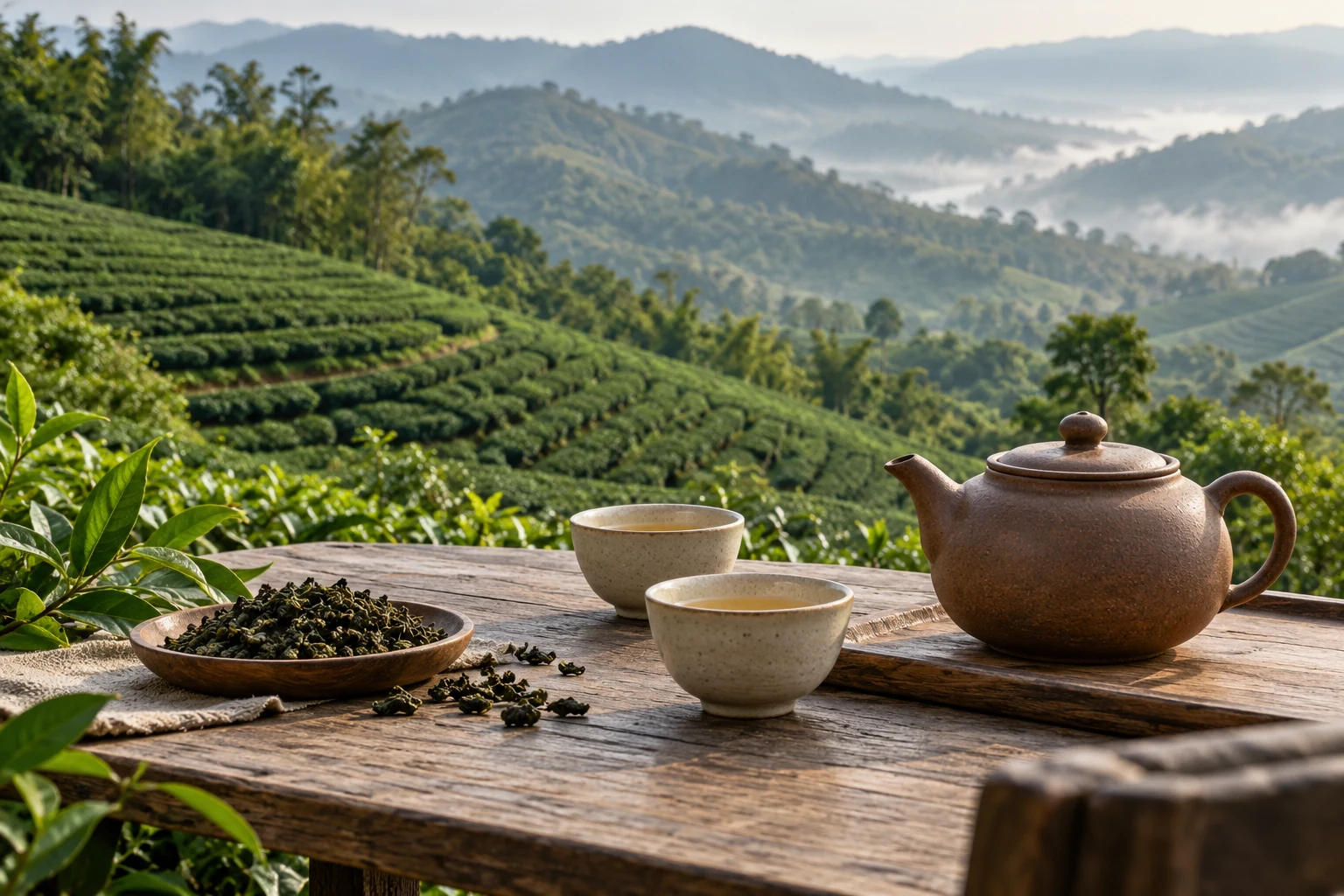
Nantou is not one flavor or one kind of tea country. The Sun Moon Lake tourism authority’s regional overview includes Dong Ding oolong, Sun Moon Lake black tea, and high-mountain teas among its agricultural identities. Those names are an invitation to ask more precise questions about origin.
Where were the leaves grown? At what elevation? What was the growing season like? Climate and cultivation belong in the conversation alongside the finished aroma. A mountain name is a beginning, not a complete explanation, and elevation alone is not a tasting verdict.
It helps to think of a tea label as a small map with some pieces missing. The place might be named, while the grower, harvest, or processing choices need another question. That is where a conversation can change the cup from a product into something connected to a landscape and a working life.
The leaf still needs someone’s judgment
Growing is only part of the route. Withering, oxidation, rolling, drying, and roasting are among the decisions and processes worth asking about. Different styles use them differently; there is no single assembly line that explains every Taiwanese tea.
You do not have to memorize a technical chart to become more curious. Ask what the maker wanted the tea to become, and what had to happen to the leaves to get there. Why this shape? Why this level of roast? How would they prepare it at home?
Taiwan’s official tea production and marketing information service connects tea with cultivation, manufacturing, and traceability. That is a useful counterweight to thinking only about attractive packaging. A finished drink carries agricultural work and accumulated knowledge, even when neither is visible from the table.
Use the Expo to notice differences
The 2026 Nantou Global Tea Expo brings producers, displays, and tea experiences into Zhongxing New Village. The agriculture ministry’s event listing describes tea culture and making activities. Treat the program as an opportunity to learn, then check which sessions require booking before building your day around one.
A manageable approach is to choose a few teas and slow down. Look at the dry leaf, smell it if invited, and compare what happens after brewing. Ask the person serving what they want you to notice. Their answer may give you a more useful starting point than trying to sound like a trained taster.
Preparation is part of the comparison. If two cups taste different, ask whether the water, quantity of leaf, or brewing time differed too. You are trying to understand the drink in front of you, not run a laboratory experiment. Leave room for the way a producer prefers to serve it.
The Expo is not a substitute for a tea-growing landscape, and Zhongxing New Village is not a mountain farm. It can, however, help you decide which region or practice you would like to learn about next. Keep a producer’s name and origin alongside any tasting note.
The 2026 Expo: a short planning note
October 3–11, 2026, Zhongxing New Village, Nantou City. The county tourism page lists exhibition and sales hours as 9 a.m.–5 p.m. on weekdays and 9 a.m.–6 p.m. on holidays. Its 2026 event and transport information identifies bus services 6333, 6870, and 6871 from Taichung, with Zhongxue Road as the arrival stop, and gives event shuttle details. Check the current timetable and return connection before traveling.
Check registration and any fee for your chosen activity separately; do not assume every tasting or workshop is included. Some official pages retain older program sections below the 2026 information, so use the year on the specific session, not just the heading at the top of the page.
Bring that curiosity back to an ordinary cup
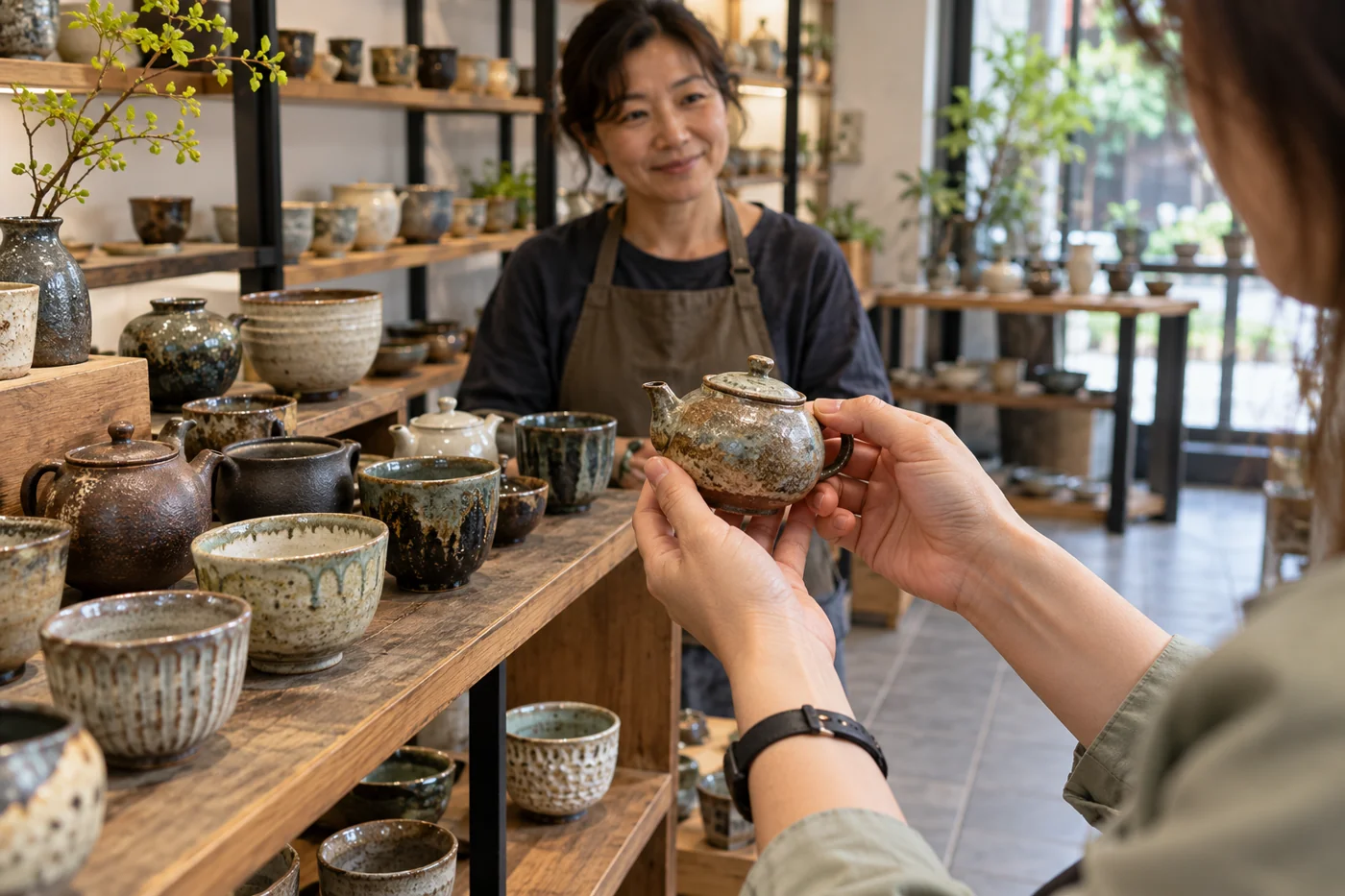
You can continue this way of looking without attending an Expo. The Taipei story that includes Maokong and Yingge offers another connection between tea, place, and the objects used to serve it. Nantou takes the question farther toward where the leaves begin.
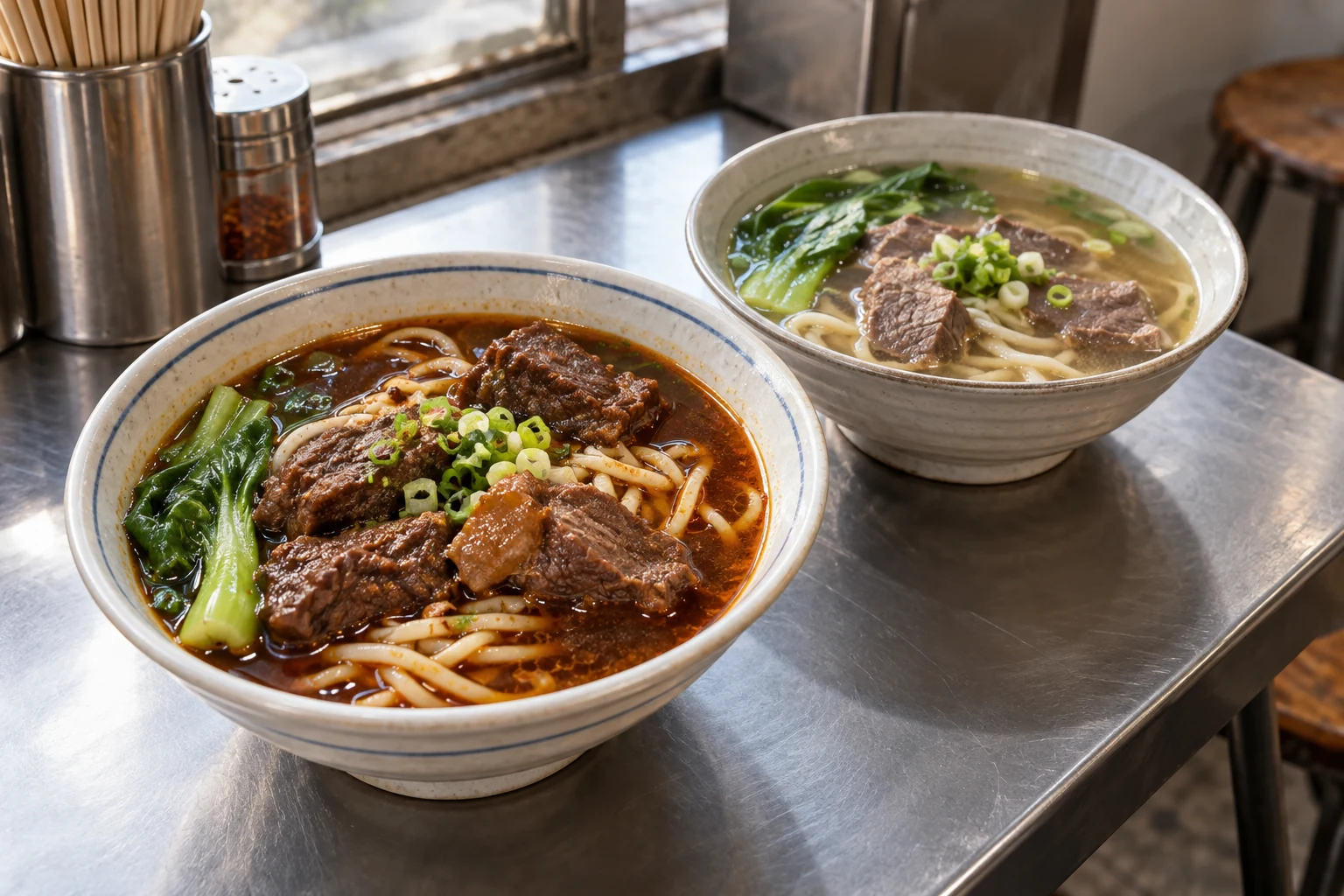
It is much the same curiosity that makes comparing Taiwanese beef noodle bowls worthwhile. An everyday thing becomes more interesting when you stop expecting one standard answer.
The goal is not merely to drink more Taiwanese tea. It is to understand a little more of Taiwan through what is already in the cup.
Story sources & context
Research-based story, prepared October 2, 2026. This is not an account of a personal visit. Event details were checked against the official sources below; consult their latest notices before traveling.